
About OTC Deficiency
A comprehensive introduction to OTC deficiency designed to inform and support your family.
What is OTC Deficiency?
Ornithine transcarbamylase (OTC) deficiency is a rare genetic condition that affects the body’s ability to remove ammonia, a natural waste product created when we break down protein. When the OTC enzyme doesn’t work properly, ammonia can build up to dangerous levels, leading to symptoms such as vomiting, confusion, extreme sleepiness, or even seizures.OTC deficiency can appear at any age.
Some people - especially newborn males - show symptoms early in life, while others may not experience issues until childhood or adulthood. Illness, stress, fasting, or high protein intake can trigger symptoms. Although serious, early awareness and proper testing can make a meaningful difference for individuals and families.
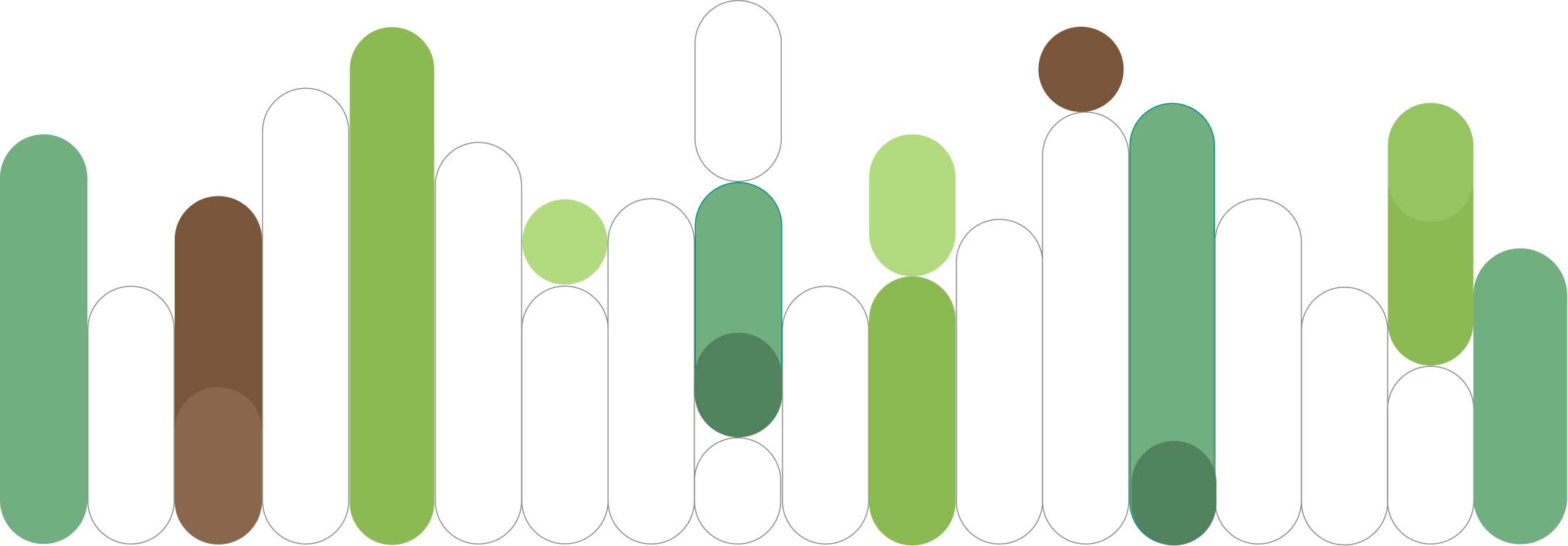
.003%
by OTC Deficiency
50%
infancy
50%
show symptoms
100%
show symptoms
What You Need
to Know
How OTC Deficiency Develops
Recognizing the Signs and Symptoms
Living with and Managing OTC Deficiency
Want a Comprehensive Guide to OTC Deficiency?
We’ve created a thorough, family-friendly resource that explains every aspect of OTC deficiency - from early signs and testing to treatment, outcomes, and emerging research - all in simple, approachable language.

An Introduction to
OTC Deficiency

Frequently Asked Questions
Have questions about Quoiden, OTC deficiency, or rare genetic diseases? Our FAQ provides clear answers and helpful resources to guide you.
What is OTC Deficiency?
OTC deficiency is a genetic condition that affects the body’s ability to break down protein. When protein can’t be processed properly, ammonia builds up in the bloodstream, which can be dangerous - especially for the brain. The good news is that once identified through genetic testing, OTC deficiency can be managed with proper medical care.
What are the symptons of OTC Deficiency?
Symptoms of OTC deficiency can vary from mild to life-threatening. They may include:
* Nausea or vomiting
* Stomach pain
* Headaches
* Extreme tiredness
* Confusion or disorientation
* Trouble waking up
* Coma
In severe cases, untreated OTC deficiency can lead to sudden death.
Who can be affected by OTC Deficiency?
OTC deficiency can affect anyone - babies, children, and adults of any sex. Because the condition is genetic, people can carry the gene without knowing it. Even if no one in your family has been diagnosed, you may still be at risk.
Is testing safe for infants and children?
Yes. Testing for OTC deficiency is non-invasive and completely safe.
If your baby is showing symptoms, testing should be done as soon as possible.
What does Quoiden do?
Quoiden helps families understand their risk of OTC deficiency, connect with doctors, and access genetic testing.
We also support education and clinical research - always with your full consent.
Learn more about what we do here.
Can Quoiden help assess my risk of OTC Deficiency?
Yes! Getting tested for OTC deficiency is simple:
1. Start with a short prescreen questionnaire to see if you may be at risk.
2. If you’re flagged as at risk, you’ll complete a second, more detailed questionnaire to help a doctor determine whether testing is recommended.
3. If you qualify, you may receive free at- home genetic testing. A cheek-swab kit will be mailed to your home with clear, easy-to-follow instructions.
4. Once your sample is processed, a doctor reviews your results and explains the next steps.
Will getting tested affect my health insurance?
No. A federal law called the Genetic Information Nondiscrimination Act (GINA) protects you. It prevents health insurers from using your genetic information to deny coverage or raise your rates.